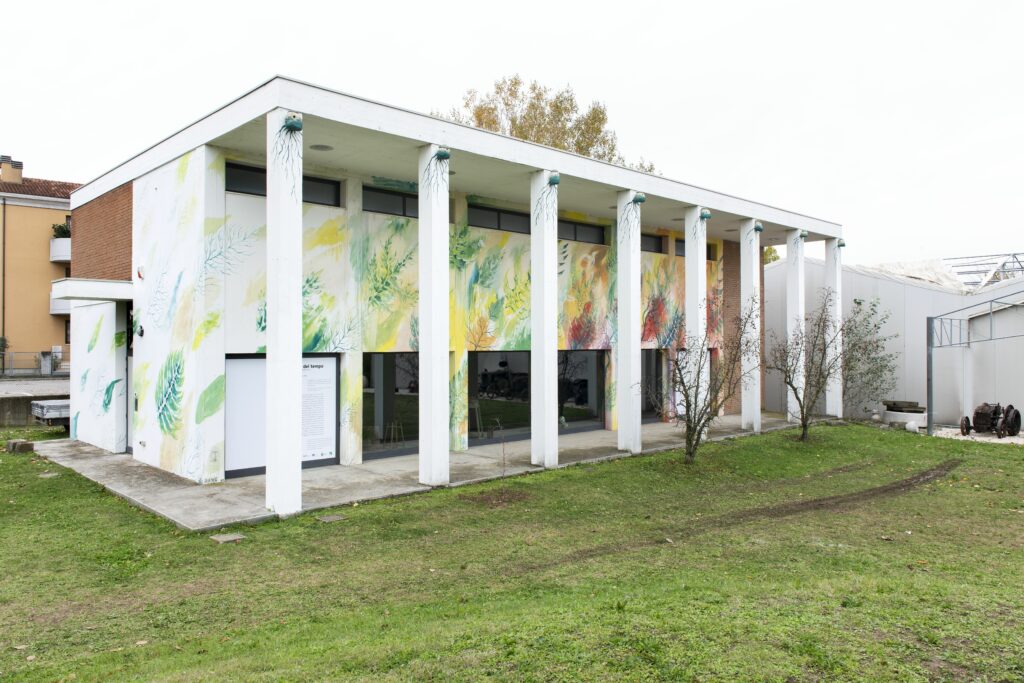
Discover the Museum
The Ethnographic Museum of Romagna’s Traditions and Customs, inaugurated in 1981, was born from the patient and passionate work of collection initiated in the late 1960s by a group of volunteers.
In 1973, this group formally organized into an Ethnographic Committee under the guidance of Giuseppe Sebesta—an ethnographer and museologist who at the time was director of the Museum of the Traditions and Customs of the People of Trentino—with the goal of establishing a scientific foundation for the creation of a museum.
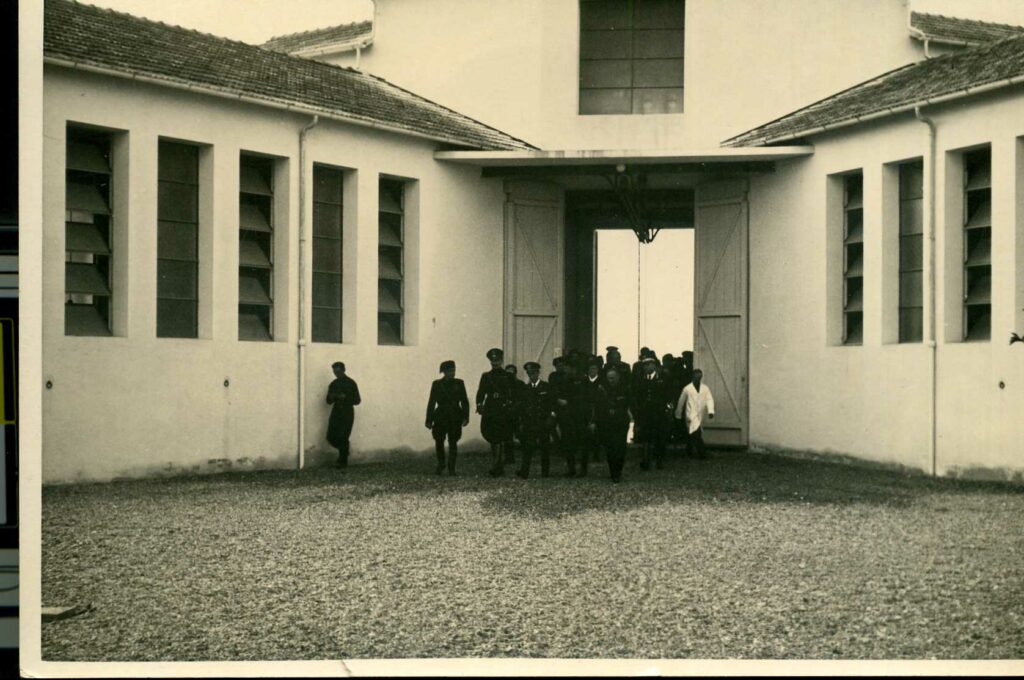
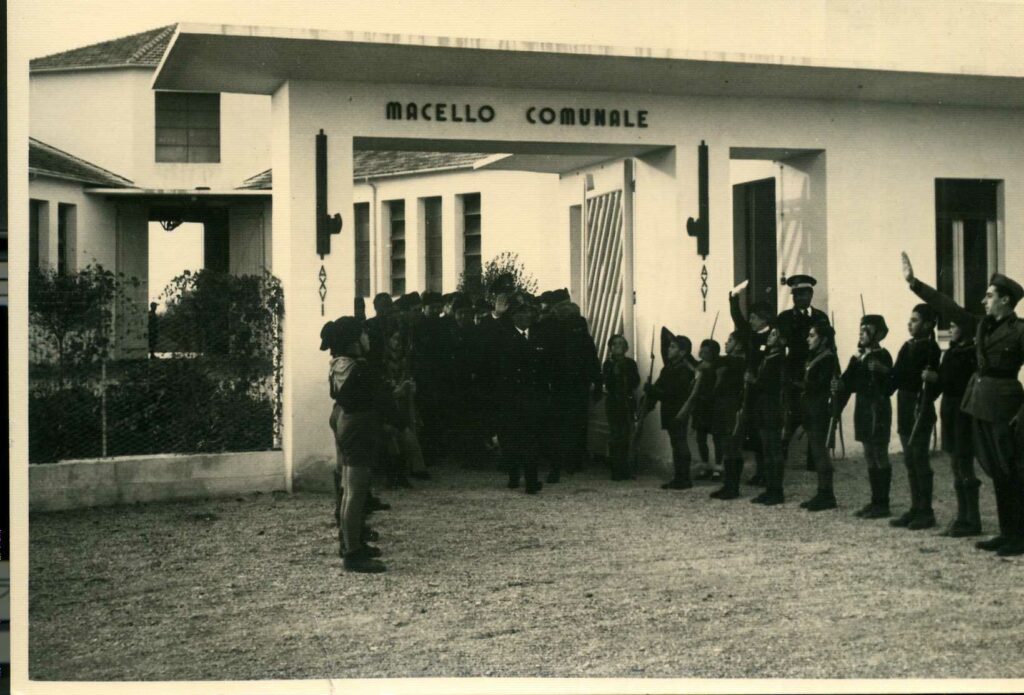
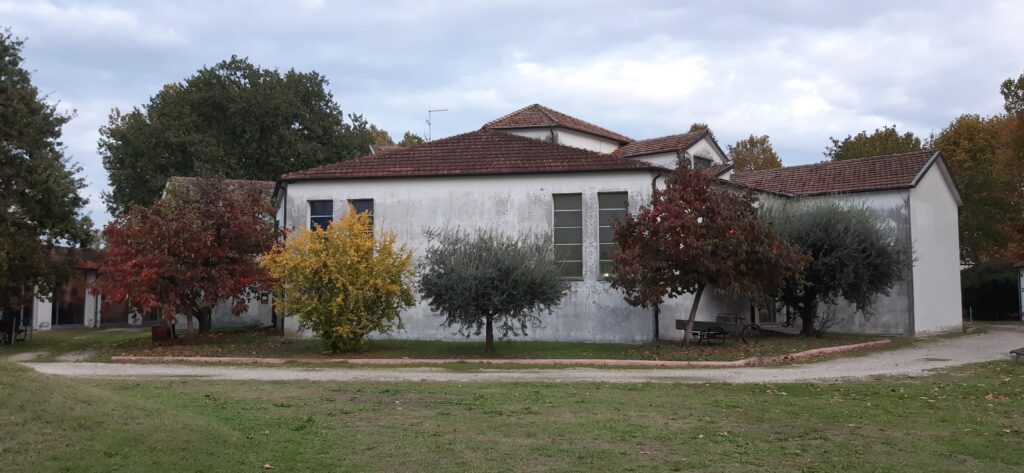
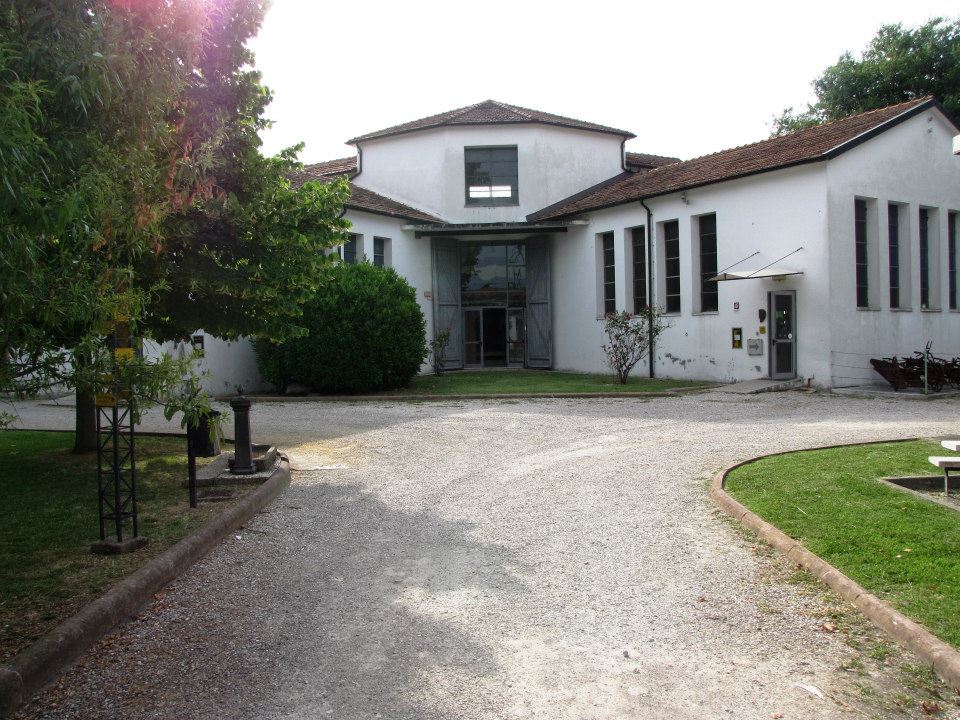
The first official document mentioning the museum as a project dates back to 1971, followed in 1973 by the City Council resolution that formally established it. Alongside ongoing field research and the continuous collection of ethnographic materials and artifacts, efforts began in the early 1970s to restore the old municipal slaughterhouse (built in 1924), which at that time was used as a storage facility, with the intention of converting it into the future museum.
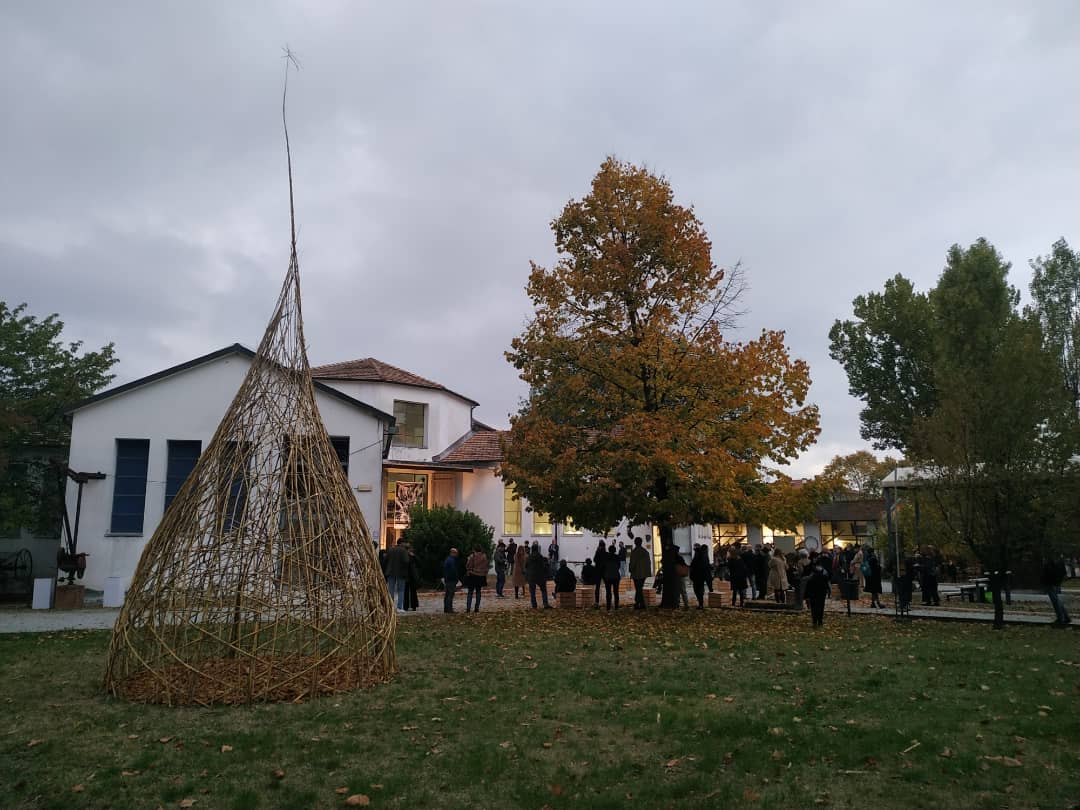
…Where peoples become aware of their originality, they can justly study their culture by themselves, that is, from within..
C. Lévi-Strauss
…Where peoples become aware of their originality, they can justly study their culture by themselves, that is, from within..
C. Lévi-Strauss
The MET
The Museum of the Traditions and Customs of the People of Romagna aims primarily to be a living space for research and the understanding of the culture of a people. Its main interest is to capture the various aspects that form the popular traditions of the southern Romagna region (symbolism, social life, work, rituals, and art).
Its goals are therefore to collect, organize, and study materials related to the history, economy, dialects, folklore, customs, and practices of the people of Romagna; to promote and publish studies and research with a focus on demography and anthropology, especially related to material experiences, fostering dialogue with schools and collaborating with university institutions; and finally, to promote the dissemination and understanding of customs, traditions, and technologies through conferences, courses, and workshops.
The MET has chosen to invest its resources and energy in engaging with its local area, or perhaps more specifically, in seeking opportunities and languages for a meaningful dialogue with the social communities that this area expresses.
“Paolo Toschi” Library
The “Paolo Toschi” Library, available for consultation at the “Antonio Baldini” Library in Santarcangelo di Romagna (Via Pascoli, 3), specializes in demography, ethnology, and anthropology. It represents the natural bibliographic extension of the Museum of the Traditions and Customs of the People of Romagna, with which it shares the same location.
A central element of the C.E.R.D. Library is its collection, which includes not only current and special holdings but also dictionaries, encyclopedias, and a periodicals section.
This library is entirely dedicated to the human sciences, covering all its major aspects. It holds more than 6,000 volumes selected on anthropology, ethnology, and history, as well as works on prose and narrative related to tales, myths, legends, and fairy tales. The collection also includes books on ballads, songs, games, music, and poetry.
Additionally, the library houses works on popular theater and puppet theater, including puppets, marionettes, and other forms of animated theater, as well as customs related to rural life, daily life, festivals, and fairs.
The Center’s Archive
The documentary archive of the Center consists of several sections.
Gallery