Objects and Tools, Documents and Testimonies: A Rich Heritage
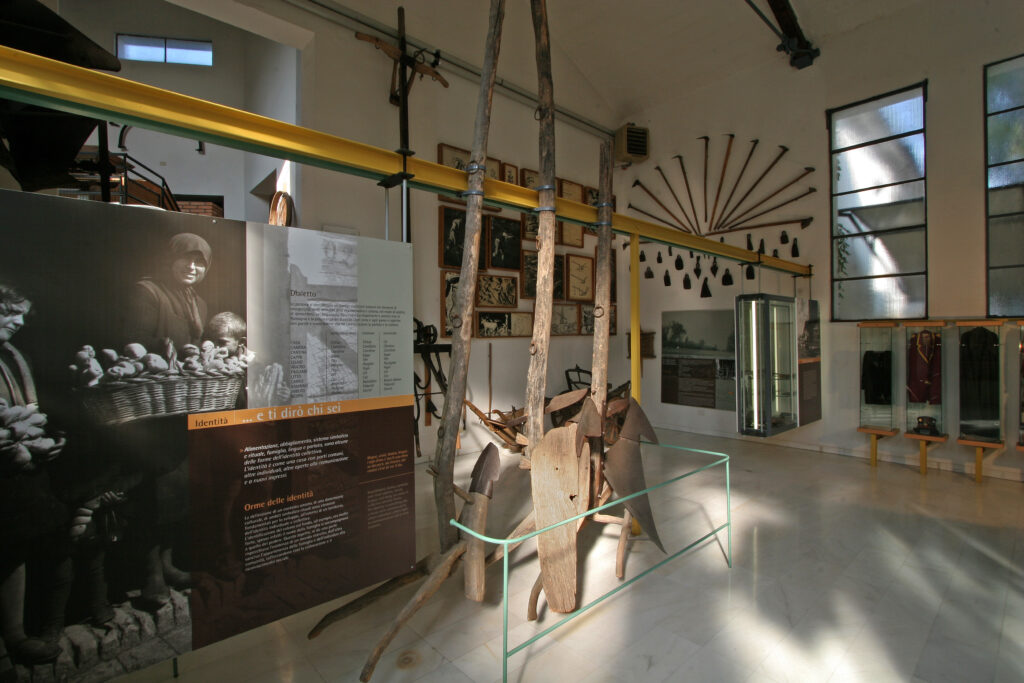
The heritage of the MET in Santarcangelo is the result of acquisitions and private donations accumulated over the years. It also includes material documents and testimonies obtained through research activities in the local area, which form the museum’s foundational base.
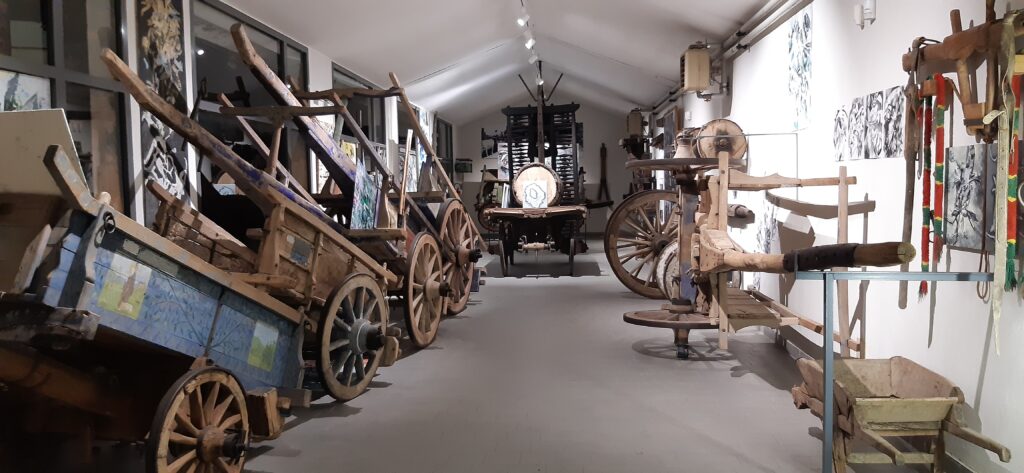
Today, the collection includes objects from material culture, agricultural tools and implements, large machines, and transportation means once used for farming activities, daily life, and the trades of the town.
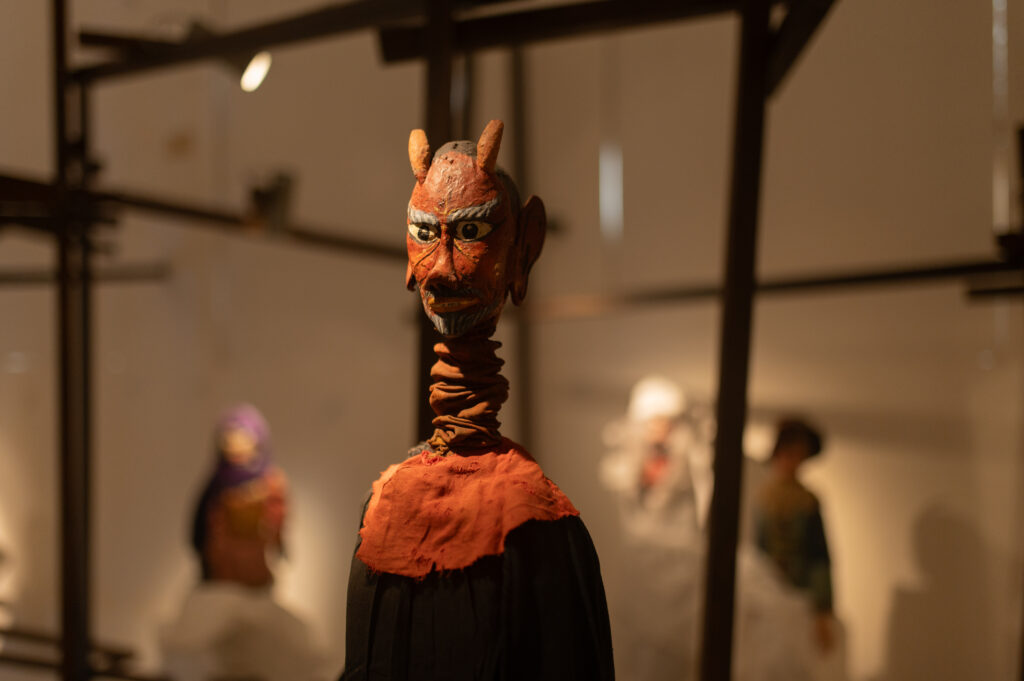
Additionally, the collection features a valuable archive of photographic materials and interviews, completing the narrative between the tangible and intangible. It also includes a collection of puppets and marionettes that belonged to the Salici-Stignani family/puppet troupe, active from the late 19th century to the mid-20th century.
Ethnography: A Thematic Narrative
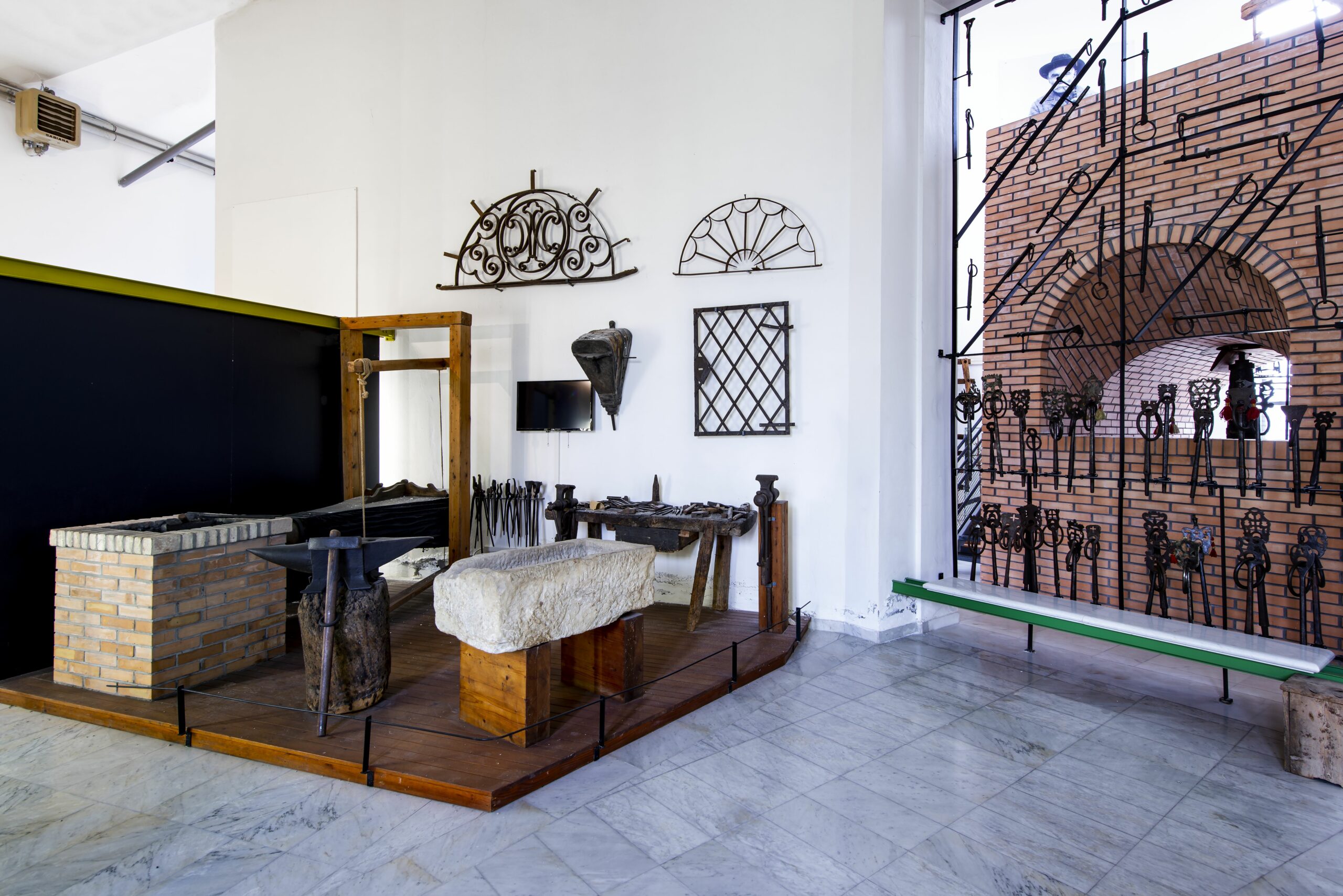
The rich ethnographic heritage contains life documents relating to the rural world of Romagna, through which various aspects can be told, such as labor activities, trades, home life, and family. It also sheds light on the universe of beliefs, religiosity, and rituals, which give objects additional layers of meaning, from the functional to the symbolic.
The Wheat Cycle
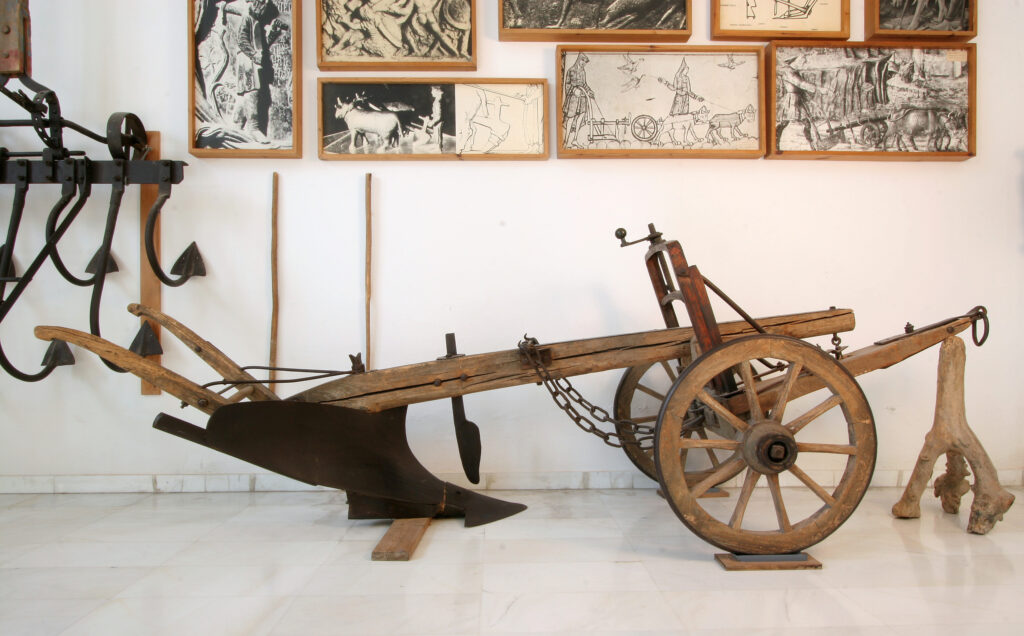
The territory of Santarcangelo has always had a strong agricultural vocation, primarily centered around two key crops: wheat (and other cereals) and grapes.
The wheat path is made up of tools, knowledge, and beliefs in which the main players—humans, the sun, the earth, and the ear of wheat—assign both practical roles and symbolic meanings to each tool.
The Wine Cycle
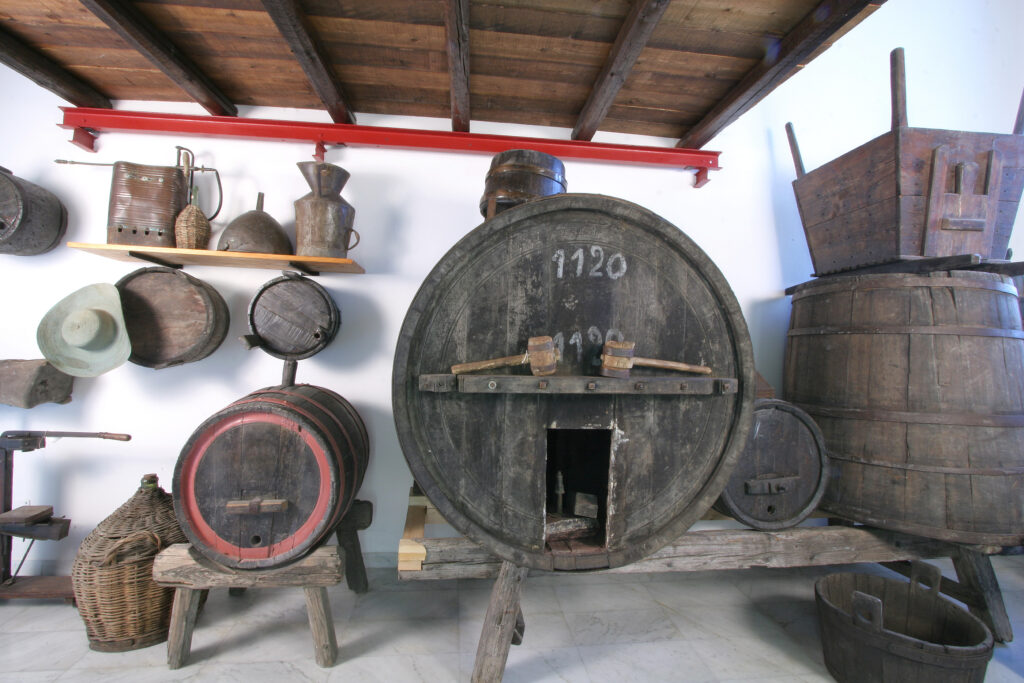
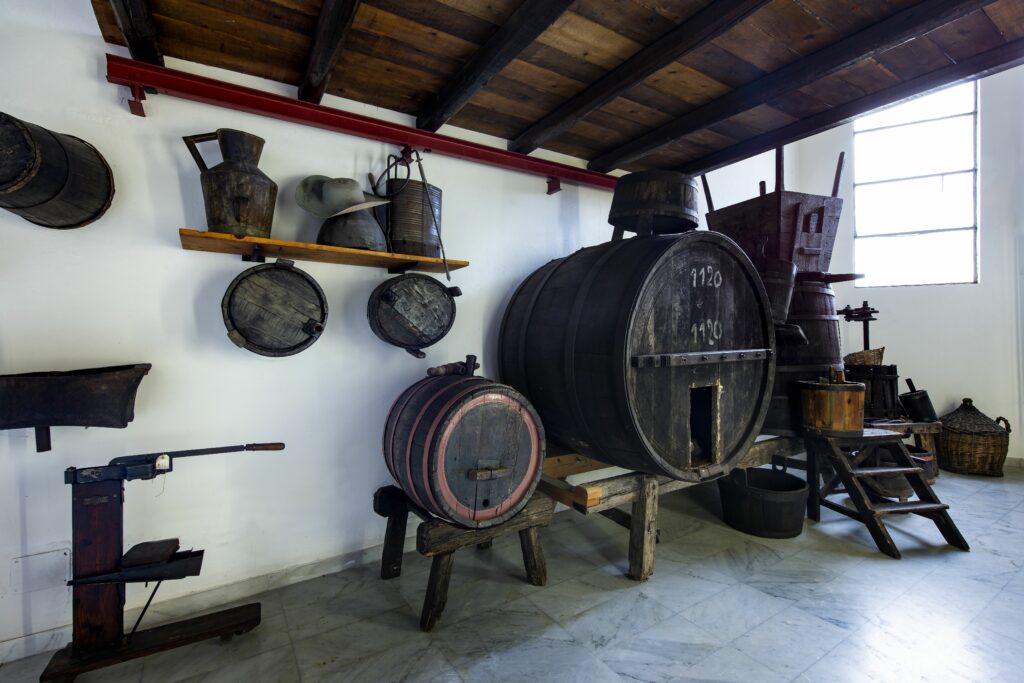
Wine has always been a symbol of conviviality—an element of connection and social bonding. Through wine, people exchange goods, form family ties and friendships, read the future, drive away negativity, and strengthen the spirit.
The grape harvest (vendemmia) is one of the most important moments of the agricultural year, and it involves all members of the farming family.
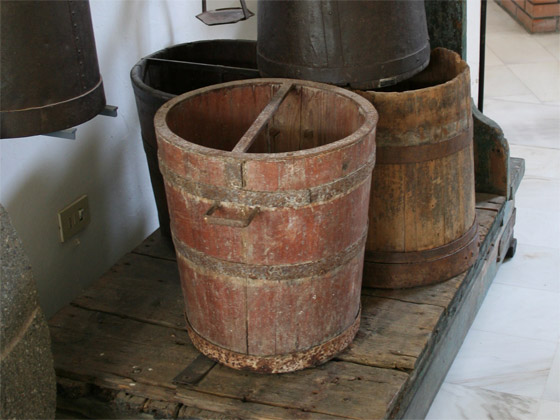
Between the 19th and 20th centuries, the most common grape pressing methods involved the use of a wooden container called a bigoncia for collecting grapes, along with a pressing box and vat.
With Water and Stone: The Mills
In the Valmarecchia area, many mills still exist—some even still in use—that operate by harnessing the power of water to generate the energy needed to turn the millstones that grind grain into flour.
These millstones are large, heavy stone wheels known as hydraulic because they are powered by water. The system used in this region is called a “horizontal wheel” or “direct drive” mill: a simple design in which the force of falling water turns a horizontal wheel that is directly connected to the upper millstone. One turn of the waterwheel corresponds to one turn of the millstone, which makes it efficient but not optimal for extracting maximum energy from the water flow.
Rural Transportation
Since ancient times, the cart has been the main vehicle for transporting people and goods. In the rural areas of southern Romagna, it continued to be widely used by farming communities.
The most common type of cart in Italy was the two-wheeled biroccio, typically pulled by a pair of oxen, and less frequently by cows.
Thanks to the strength of the draft animals, these carts could be large and heavy. Among farm carts, the most solid and sturdy was the plaustrum, a four-wheeled cart used by farmers and laborers to carry heavy or bulky loads.
The Caveja: Function and Symbol
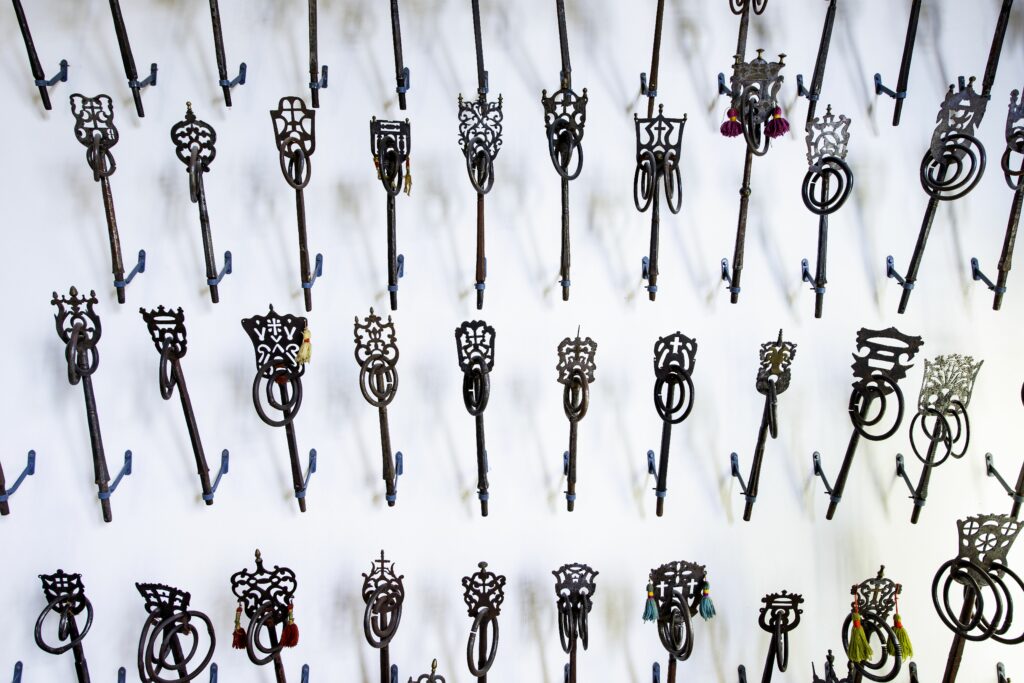
The caveja is one of the most iconic objects in the MET’s collection, which includes 130 pieces dating from the 16th to the 20th century. While it is a functional tool, the caveja has also become a powerful symbol of Romagna’s rural tradition.
Structurally, it consists of a wrought iron shaft topped by a decorated plate, known as the pagella, which may feature various images and from one to six ringing loops, depending on the complexity of the design.
From a practical standpoint, the caveja was used to secure the yoke, carried by a pair of oxen, to the shaft of a plough, cart, or harrow. It also served a braking function, helping prevent the vehicle from striking the animals during stops or descents.
Between Warp and Weft: Spinning and Weaving
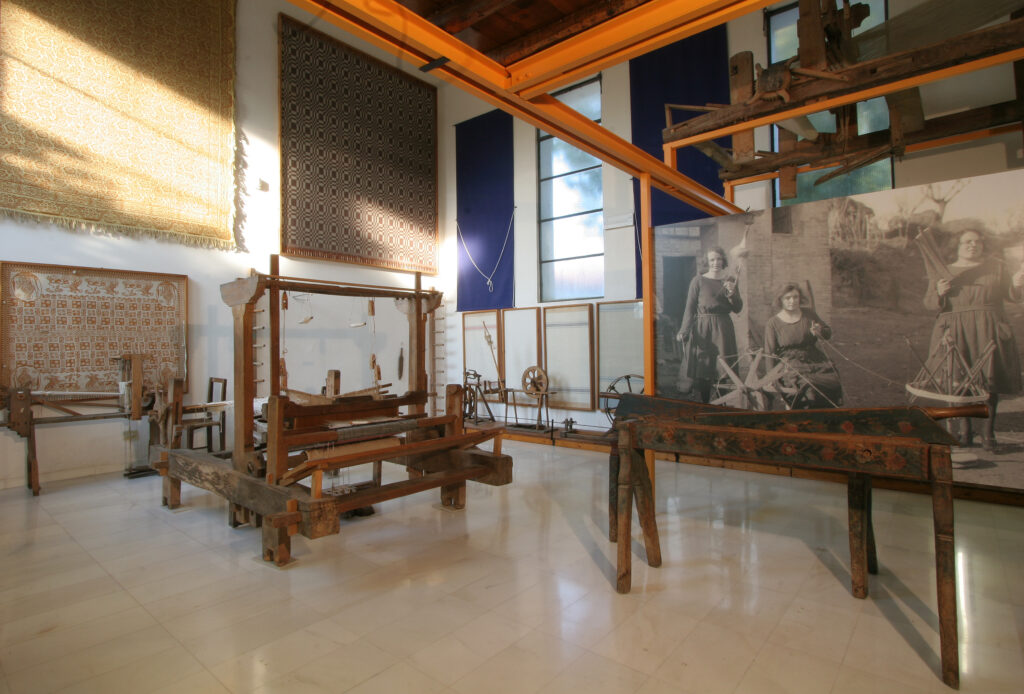
Spinning and weaving have long been considered quintessentially female activities, essential to the survival of the household and imbued with deep symbolic meaning. The main tools used for these tasks—distaff, spindle, and loom—have, since ancient times, been linked to the world and rhythms of women.
Each fabric produced can be viewed as a kind of map, where natural fibers, traditional knowledge, symbols, and ritual practices of femininity are interwoven. The two key phases of the textile cycle are spinning and weaving.
The Trades of the Village
The MET’s collection preserves the memory of numerous traditional village trades, each reflecting a rich world of materials, techniques, tools, and the passing down of knowledge from master to apprentice.
Puppets: The Salici-Stignani Collection
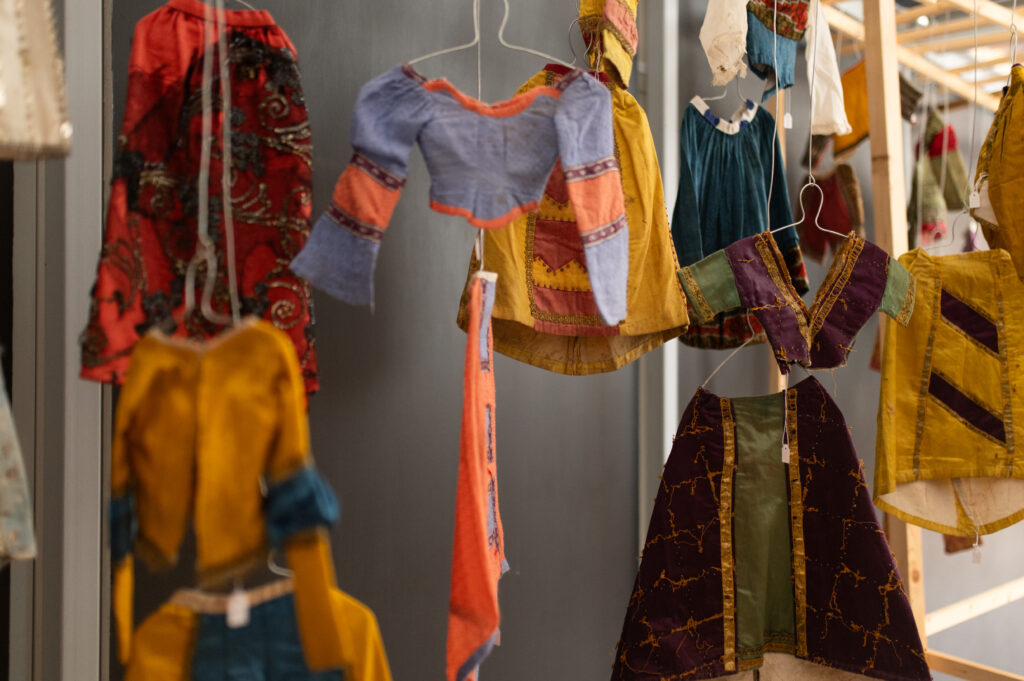
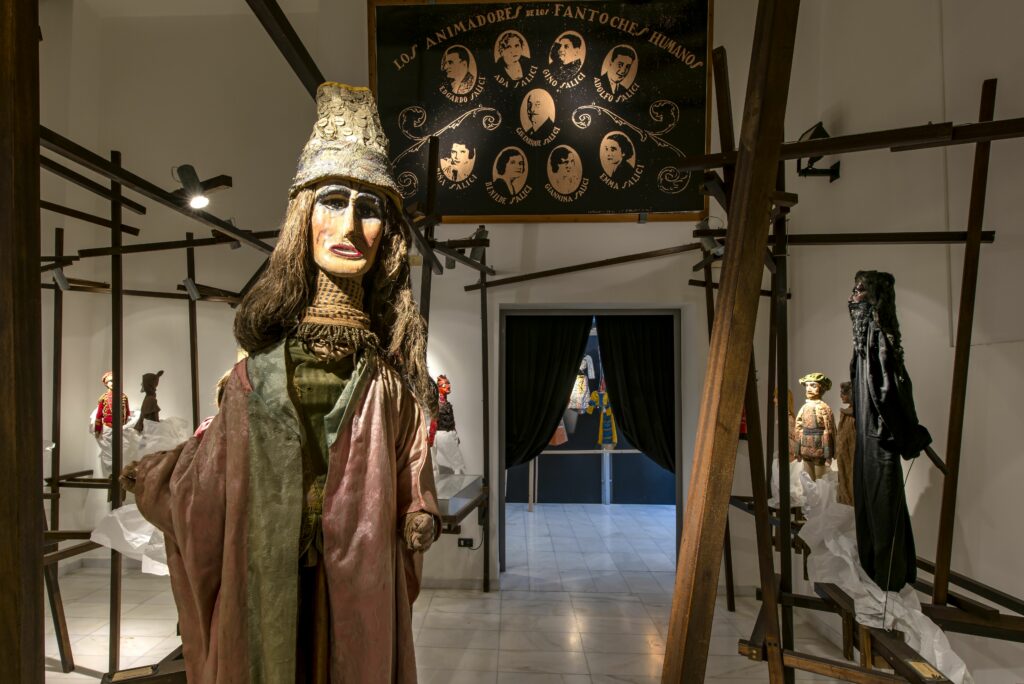
The MET houses a valuable collection of puppets once owned by the Salici-Stignani family, a lineage of puppeteers active from the late 19th century through the first half of the 20th century. The collection was donated to the town of Santarcangelo in the 1990s by Tinin Mantegazza, a notable artist and puppet theatre enthusiast.
At the heart of the collection are the so-called “burattette”, hybrid figures that bridge the world of glove puppets (burattini) and string puppets (marionette). These figures stand about 70 cm tall and weigh around 2 kg. Unlike traditional glove puppets, which are controlled by a hand inside the body, burattette have articulated legs like marionettes and are manipulated from below using iron rods.
Gallery